
Seasonal Foods & Nutrition Guides
Explore our comprehensive collection of seasonal eating articles, nutritional insights, and wellness guidance for every time of year. Discover how seasonal produce can support your everyday wellbeing.
The information on this site is for educational purposes only and does not constitute medical advice. Always consult a qualified healthcare professional before making health decisions.
Browse by Season
Featured Articles & Guides
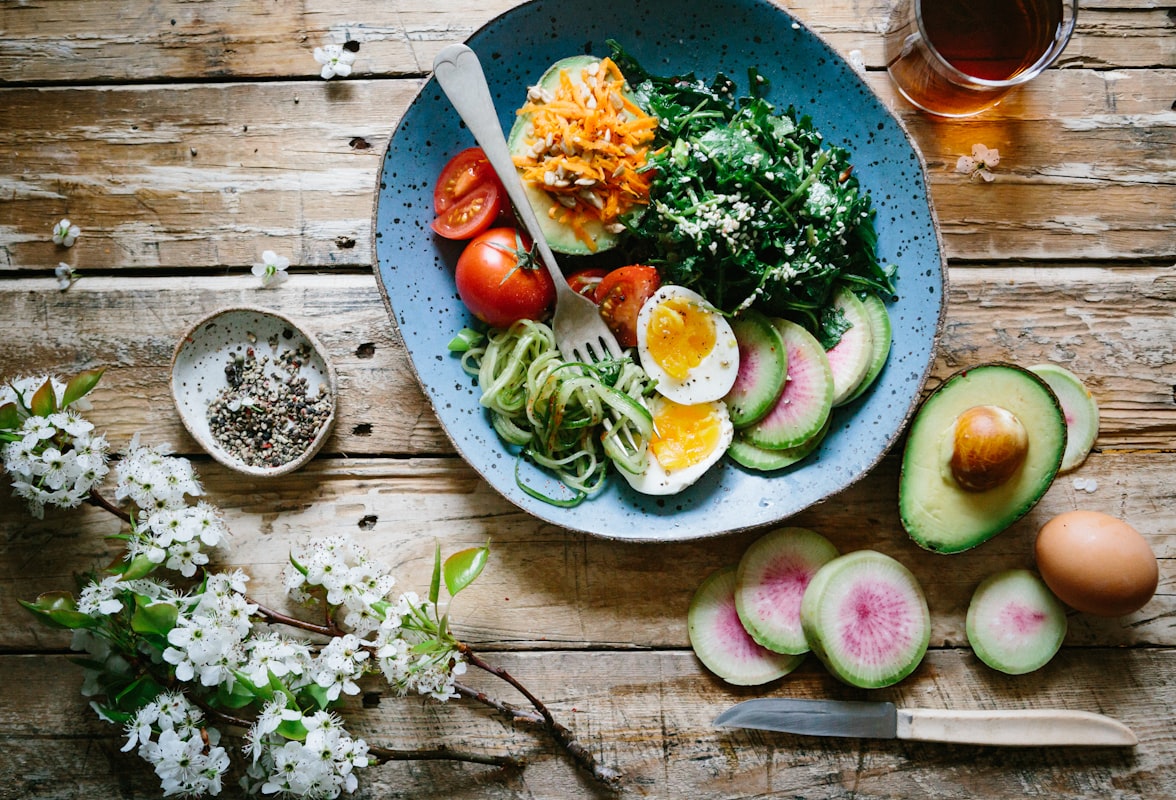
Spring Vegetables: Fresh Produce for Renewal
Discover the nutritional powerhouses of spring including asparagus, spinach, and fresh peas. Learn how these seasonal vegetables support natural detoxification and energy levels as the weather warms.
Read More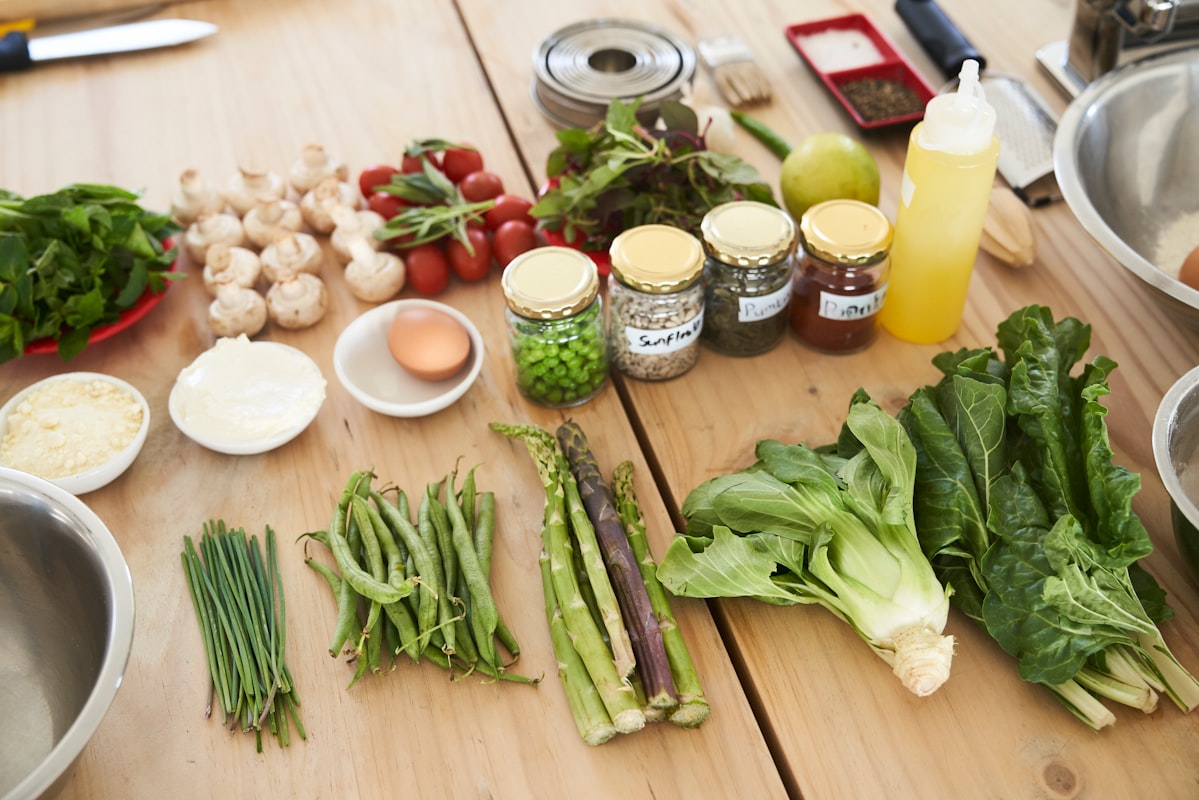
Summer Berries: Antioxidant-Rich Seasonal Delights
Explore strawberries, blueberries, raspberries and blackberries—nature's candy packed with vitamins and polyphenols. Understand how these fruits contribute to cardiovascular and cognitive wellness.
Read More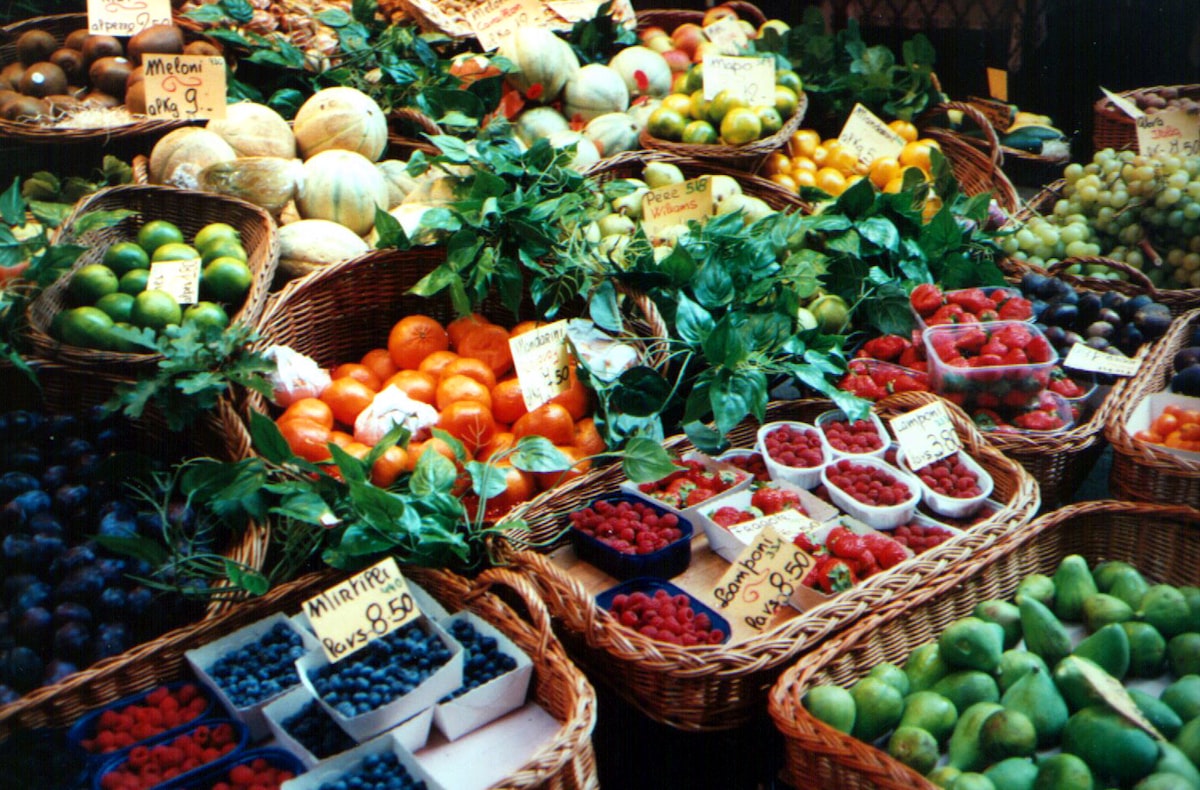
Autumn Squashes: Comfort Foods with Purpose
Butternut, acorn, and pumpkin squashes offer seasonal nutrition rich in beta-carotene and fibre. Learn how these warming vegetables support immune function as temperatures drop.
Read More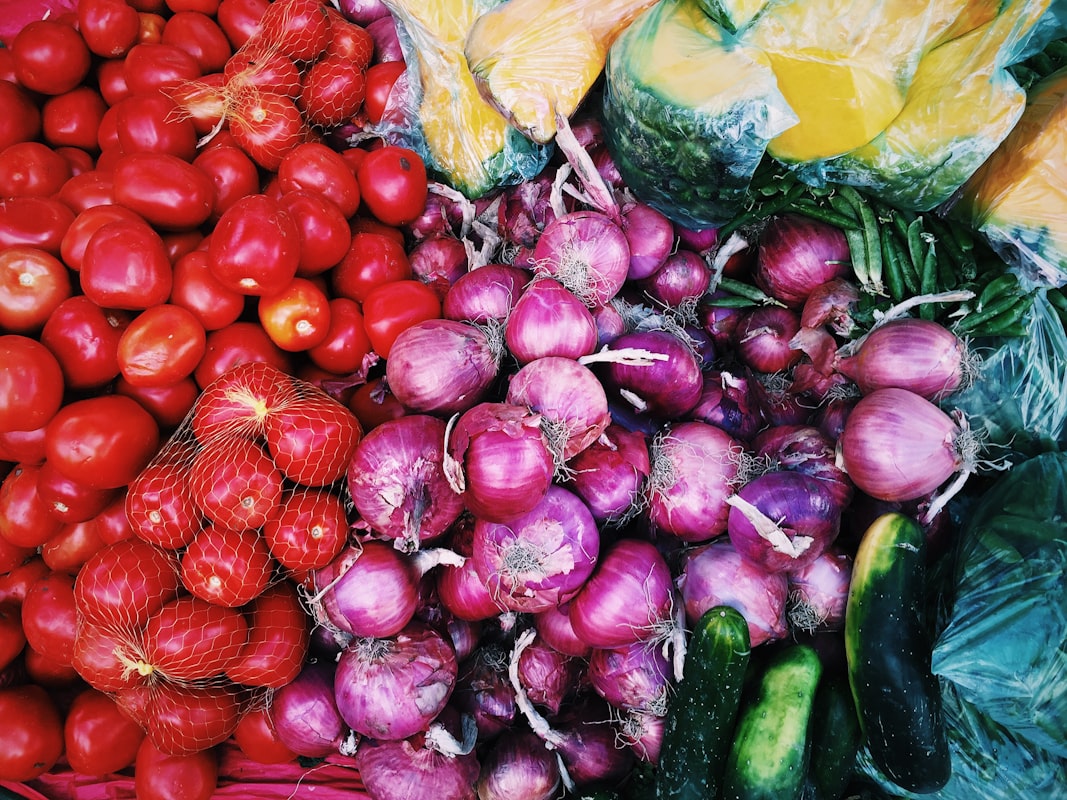
Winter Root Vegetables: Grounding Nutrition
Carrots, parsnips, turnips, and beetroot provide stable energy and mineral content through colder months. Discover why root vegetables have been valued for seasonal wellness for centuries.
Read More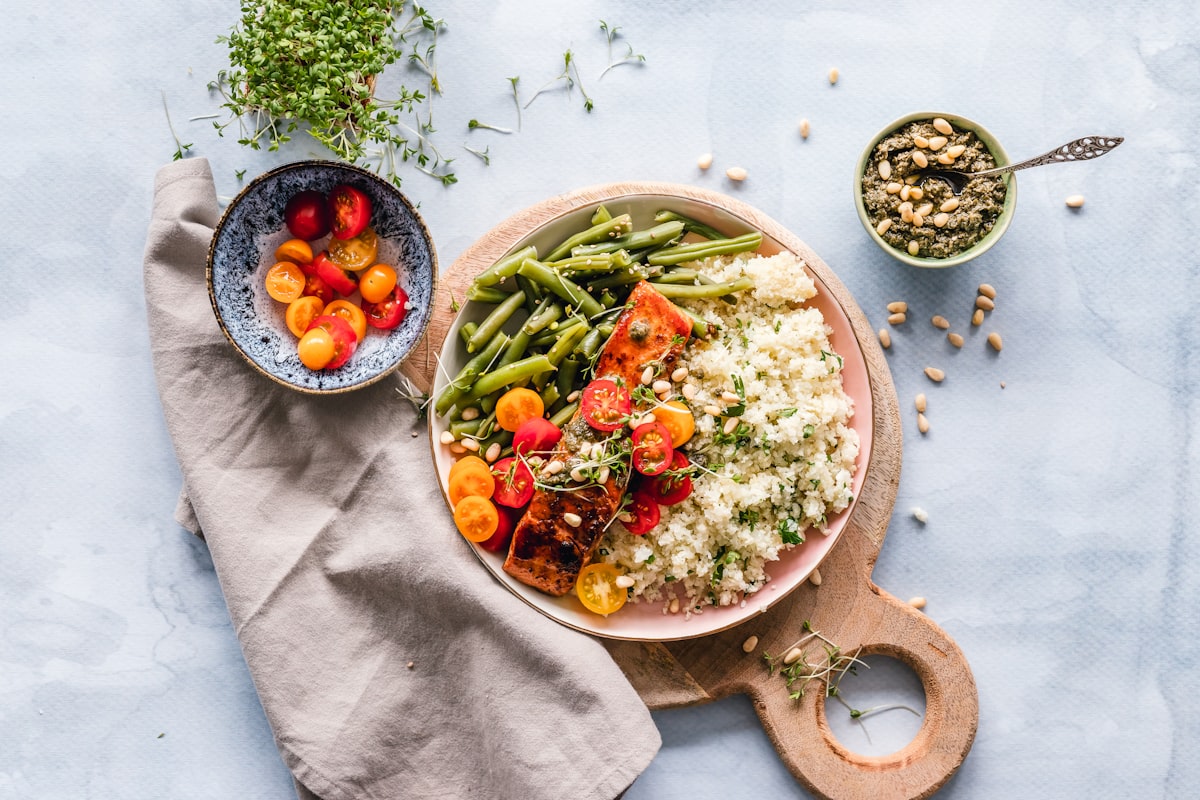
The Philosophy Behind Seasonal Eating
Understand the nutritional logic of eating seasonally. Explore how seasonal produce aligns with your body's natural needs throughout the year and supports overall wellness.
Read More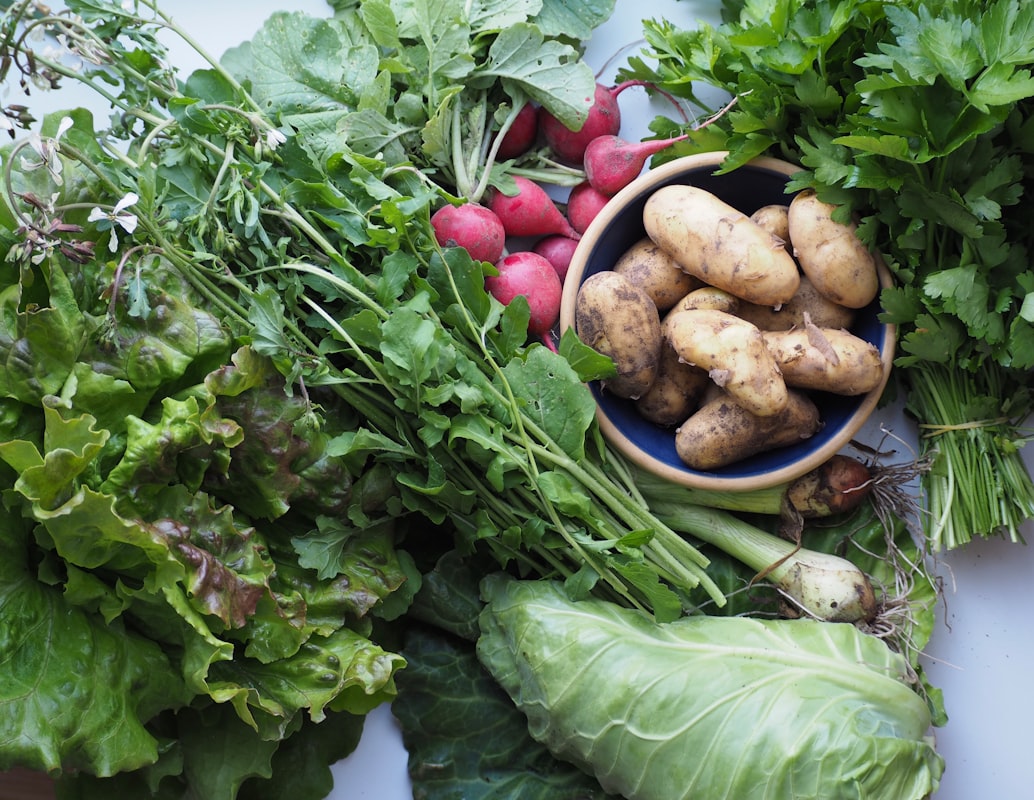
Understanding Nutritional Content by Season
Deep dive into vitamins, minerals, and phytonutrients found in each season's produce. Learn how seasonal variety ensures comprehensive nutritional intake year-round.
Read More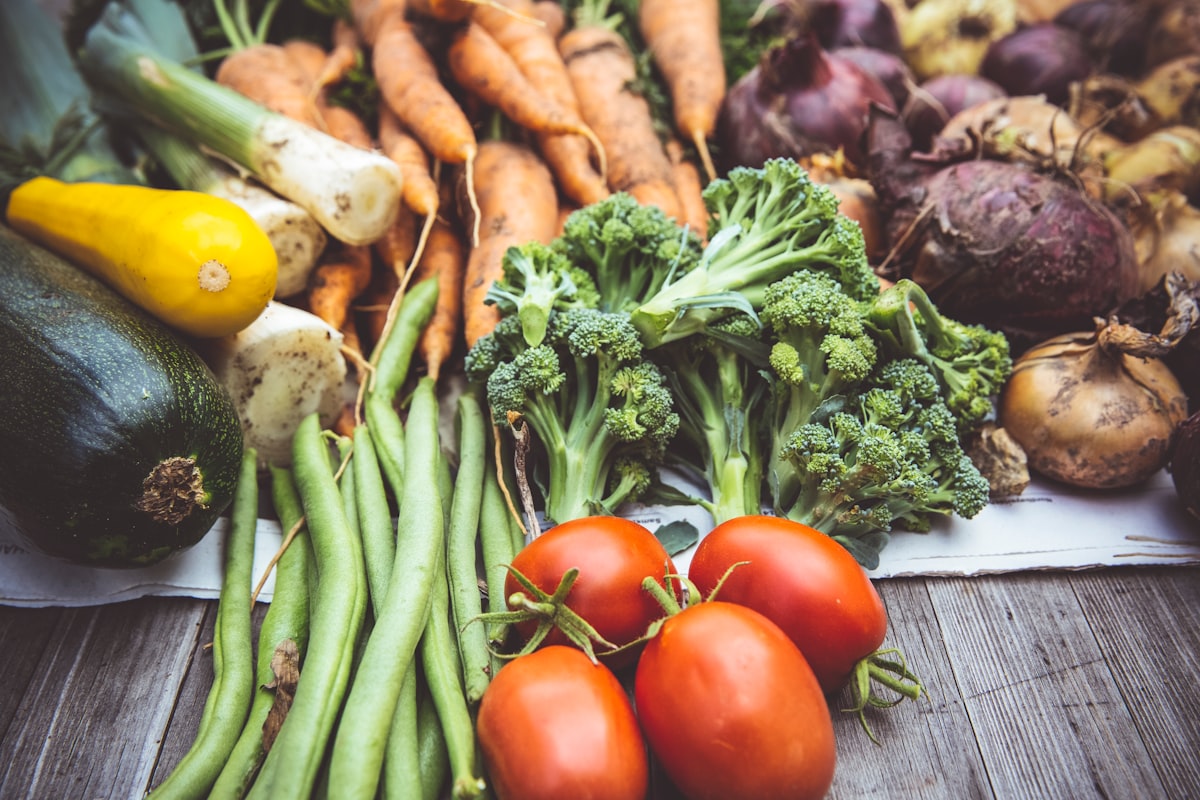
Spring Herbs & Leafy Greens: Nature's Renewal
Explore the bright, mineral-rich world of spring herbs and tender greens. Discover how fresh parsley, sorrel, and young lettuce support vitality and natural wellness rhythms.
Read More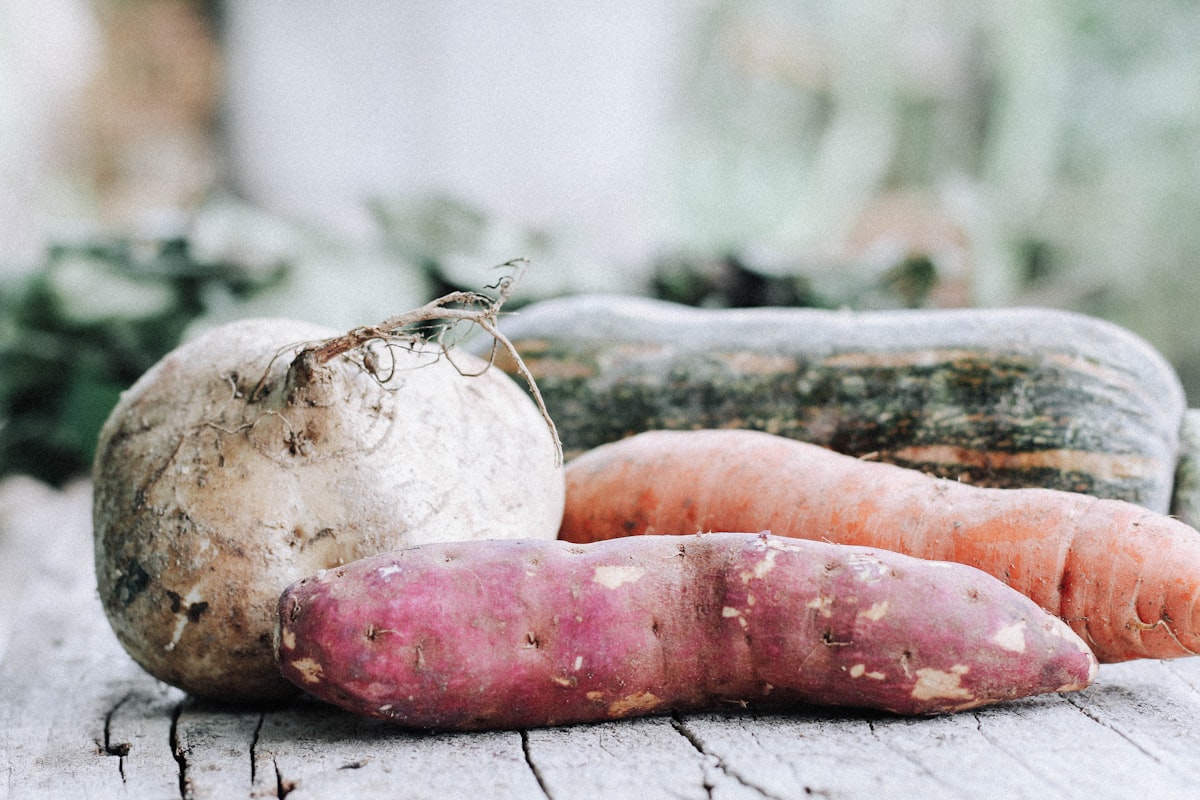
Summer Stone Fruits: Hydration & Wellness
Peaches, apricots, plums, and cherries deliver natural sugars alongside hydration during warm months. Learn about their nutritional profile and role in summer wellness.
Read MoreWhy Seasonal Eating Matters
Peak Nutritional Value
Seasonal produce is harvested at optimal ripeness, offering maximum vitamin, mineral, and phytonutrient content compared to out-of-season alternatives.
Environmental Sustainability
Choosing seasonal UK-grown produce reduces transportation miles and supports local farming practices. Every seasonal choice supports environmental wellness.
Body Alignment
Your body's nutritional needs naturally shift with seasons. Spring requires renewal, summer needs hydration, autumn builds resilience, winter needs grounding energy.
Economic Value
Seasonal produce is naturally more affordable when abundant. Eating seasonally aligns nutritional goals with budget-conscious food choices.
Culinary Inspiration
Seasonal eating encourages creative cooking and dietary variety. Working with what's naturally available keeps meals interesting and nutrient-diverse.
Taste & Flavour
Seasonal produce simply tastes better—fuller flavour, better texture, more satisfaction. Food quality directly impacts your wellness experience.
Common Questions About Seasonal Eating
A seasonal food is one that naturally grows and ripens in the UK during specific months. Spring (March–May) brings leafy greens and asparagus. Summer (June–August) offers berries and stone fruits. Autumn (September–November) brings squashes and root vegetables. Winter (December–February) features hardy greens and stored roots. These cycles follow natural growing patterns.
Absolutely. Seasonal produce is most affordable when in season due to local abundance. Shopping at farmers' markets, growing your own herbs, and buying whole produce rather than pre-cut saves money. Preserving methods like freezing berries or storing root vegetables extends seasonal eating affordably through the year.
Seasonal eating is flexible and complements any dietary approach. Vegetarian, vegan, pescatarian—each season offers diverse plant-based options. Those avoiding specific ingredients can work around seasonal alternatives. The key is choosing what's naturally available rather than rigid rules. Adapt seasonal principles to your personal preferences.
Frozen produce picked at peak ripeness retains excellent nutritional value. Flash-freezing preserves vitamins and minerals effectively. Preserved foods like jams or dried fruits maintain key nutrients, though processing methods vary. Fresh seasonal produce is ideal, but frozen or preserved seasonal options remain nutritionally superior to fresh out-of-season imports.
Local farmers' markets, farm shops, and community-supported agriculture schemes (CSA boxes) are excellent sources. Supermarkets increasingly label seasonal UK produce. Grow-your-own options via seed packets or community gardens connect you directly to seasonality. Online resources like Love British Food show which produce is in season each month.
Deepen Your Seasonal Nutrition Knowledge
Explore our latest articles, expert insights, and practical guides on seasonal eating and nutritional wellness. Join our community of informed food enthusiasts.
Reader Insights & Feedback
"These seasonal articles completely changed how I shop. I never realised how much more flavourful and nutritious spring greens are when I buy them in season. The practical tips make it easy to implement year-round."
Sarah Mitchell, Manchester
"Finally, nutrition information that makes sense! The seasonal approach feels natural and sustainable. I appreciate that Healthfoodwisdom explains the 'why' behind each season's foods rather than just listing them."
David Chen, Bristol