
Editorial Standards & Integrity
At Healthfoodwisdom, we are committed to delivering accurate, well-researched information about seasonal foods and nutrition. Our editorial standards ensure every article meets rigorous criteria for accuracy, clarity, and evidence-based content.
The information on this site is for educational purposes only and does not constitute medical advice. Always consult a qualified healthcare professional before making health decisions.
Our Editorial Principles
These five principles guide every piece of content we publish and define our commitment to readers.
Evidence-Based Information
We ground all nutritional claims in peer-reviewed research, scientific studies, and credible public health sources. Every fact is traced to its origin and cross-referenced before publication. We distinguish between established science and emerging research, clearly labelling the strength of available evidence.
Balanced & Nuanced Perspective
Nutrition is complex. We present multiple viewpoints on contested topics and acknowledge areas of genuine scientific debate. Our writers explore the context around seasonal eating, individual variation, and practical application without oversimplifying or overstating conclusions.
Transparency & Disclosure
We disclose potential conflicts of interest, partnerships, and the sources behind our recommendations. Readers know who wrote each article and what expertise they bring. We are transparent about our editorial process and welcome questions about any published content.
Accuracy & Precision
We fact-check claims before publication and maintain a systematic process for reviewing and updating articles as new evidence emerges. Nutritional data, seasonal calendars, and health recommendations are verified against multiple authoritative sources and updated regularly.
Clear & Accessible Language
Scientific accuracy need not mean inaccessible jargon. We explain nutritional concepts in plain language, define technical terms, and use examples that help readers understand and apply information to their own lives. Clarity is our goal, not obscurity.
Reader-Centric Editorial
We write for our readers, not for other experts. Every article answers questions that real people ask about seasonal nutrition. We prioritize practical, actionable information and explain why each topic matters for everyday health decisions.
Our Fact-Checking Process
Before any article about seasonal foods or nutritional benefits is published, it passes through a multi-stage review process designed to catch errors and validate claims.
Research & Source Verification
Writers gather information from peer-reviewed journals, government databases (UK Food Standards Agency, NHS resources), and established nutrition organizations. Every source is documented and evaluated for credibility.
Internal Peer Review
A second editor with relevant expertise reviews all articles for factual accuracy, logical consistency, and alignment with our editorial standards. Claims are cross-checked against source material.
Expert Consultation
For specialized topics, we consult with qualified nutrition professionals and food scientists who can validate our interpretation of research. This adds an external layer of credibility assurance.
Publication & Ongoing Updates
Articles are published with full source citations and publication dates. We monitor emerging research and update articles when significant new evidence warrants corrections or revisions.
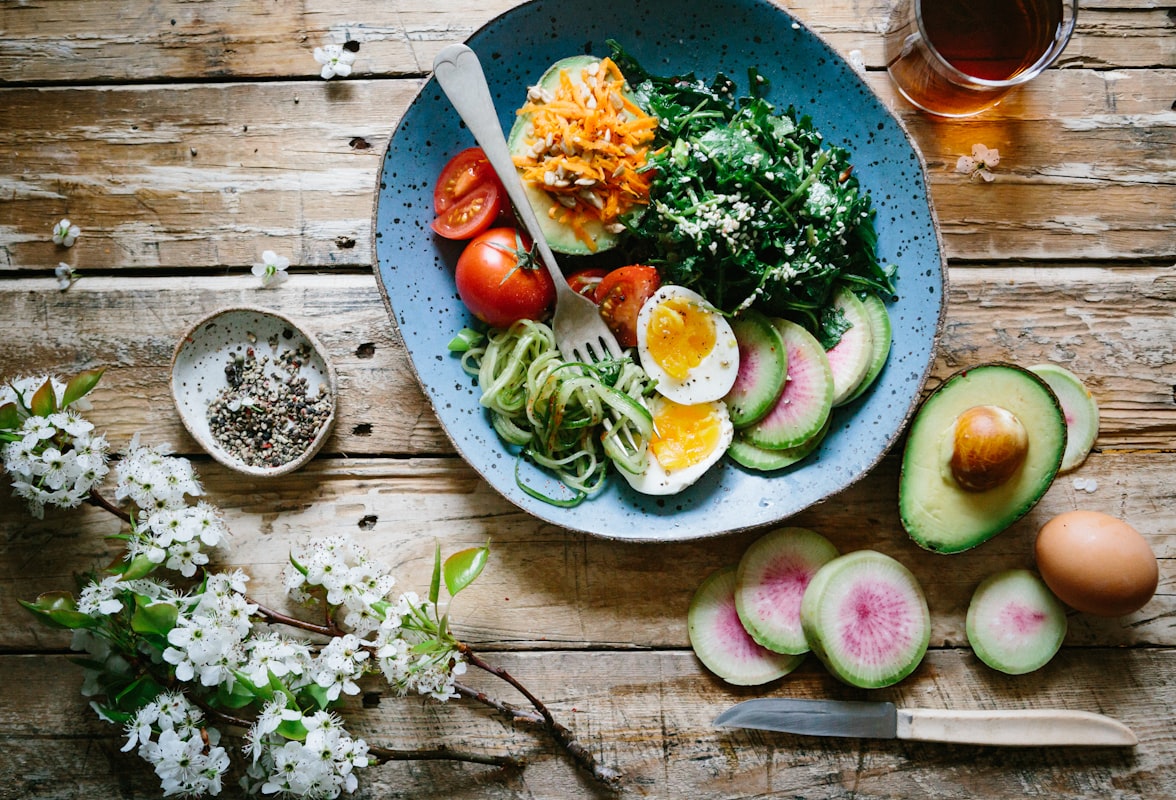
Editorial Board & Contributors
Our editorial team comprises experienced writers, researchers, and nutrition professionals committed to evidence-based journalism.
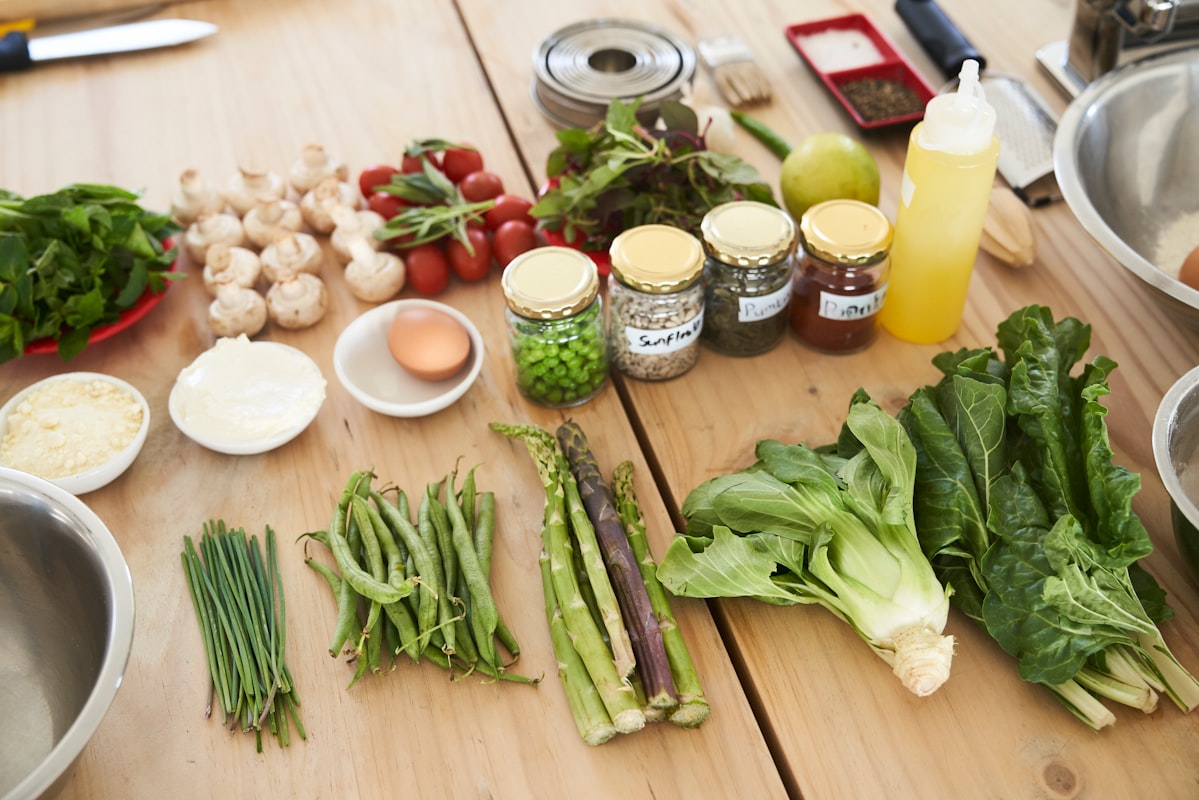
Sarah Mitchell
Editor-in-Chief
Sarah has over a decade of experience in health and science journalism. She holds a degree in nutrition science and specializes in translating complex dietary research for general audiences. Her editorial focus ensures all content meets our highest accuracy standards.
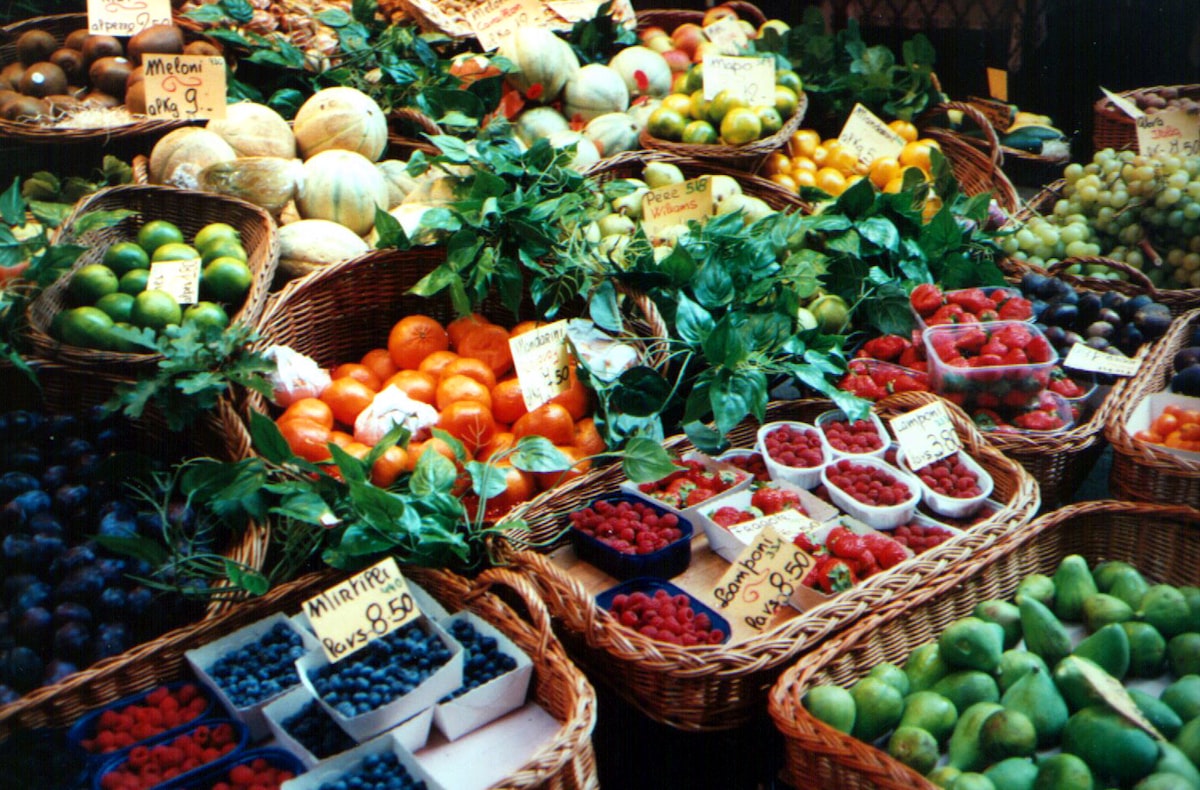
James Chen
Nutrition Advisor
Dr Chen holds a PhD in Food Science and has published research on seasonal nutrition patterns. He reviews articles for scientific accuracy and helps ensure our recommendations align with current evidence and public health guidance.
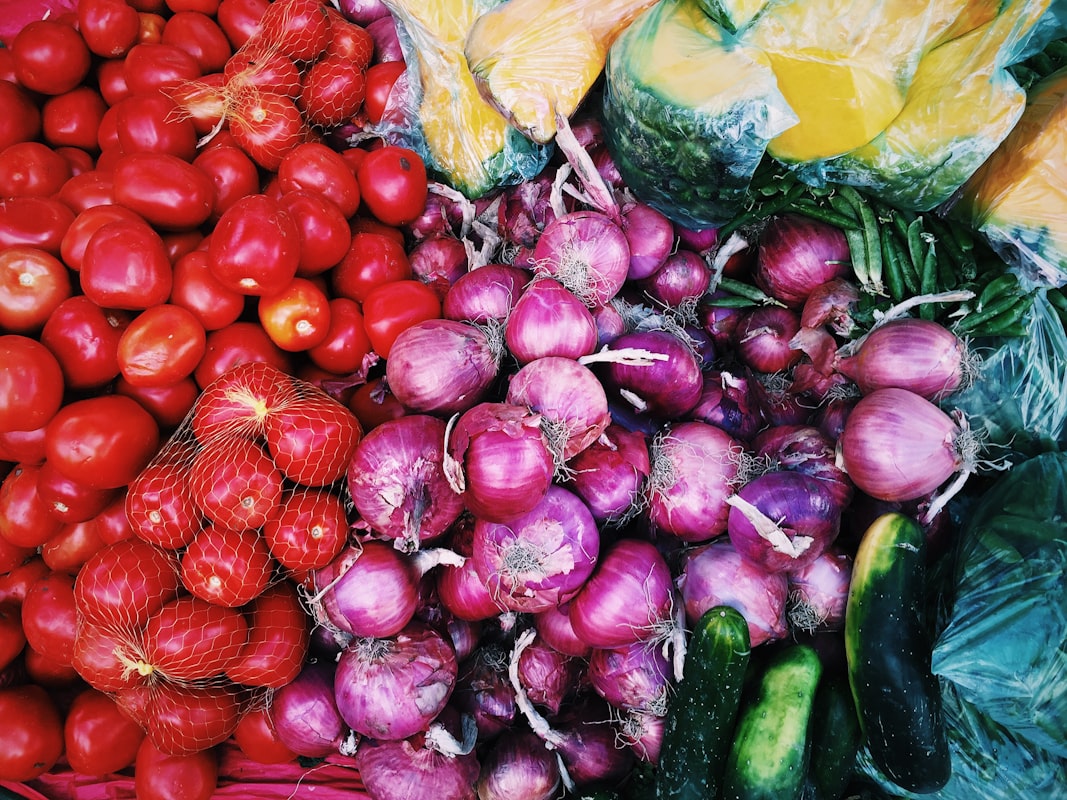
Emma Rodriguez
Senior Writer
Emma specializes in practical nutrition guidance and seasonal eating strategies. Her background in food science and cookbook development ensures our articles are not only accurate but genuinely useful for readers planning meals.
Michael Thompson
Research Analyst
Michael manages our source database and coordinates the fact-checking process. He holds a degree in applied statistics and ensures all nutritional claims are backed by accessible research citations and up-to-date evidence.
Lisa Hassan
Public Health Advisor
Dr Hassan brings expertise in public health and dietary guidance from her work with UK health authorities. She ensures our content aligns with evidence-based nutrition recommendations and serves the diverse needs of UK readers.
Corrections & Updates Policy
How We Handle Corrections
Accuracy is essential to our mission. If a reader identifies an error—factual, statistical, or otherwise—we take it seriously. All corrections appear prominently with a timestamp, explaining what was changed and why. Readers can report errors directly via our contact form.
We also conduct quarterly audits of our most-read articles to ensure all citations remain current and that recommendations still reflect the latest evidence. Articles updated as a result of our internal review will display an "Updated" notice with the date of revision.
Minor vs. Major Updates
Minor updates (correcting typos, clarifying language, updating a single fact) appear as a small "Corrected" note at the end of the article without changing the publication date.
Major updates (significant new research, substantially revised nutritional recommendations, corrected conclusions) are marked with a prominent "Updated" notice with a new date, allowing readers to understand when important changes were made.
Retraction Policy
In rare cases where an article contains fundamental errors that cannot be adequately corrected through updates, we may retract it. Retracted articles remain accessible with a clear "Retracted" notice explaining the reason. We document the retraction publicly to maintain transparency with our readers.
Retractions are a last resort, used only when the integrity of the article cannot be maintained through revision.
Report an Error
Found a mistake? We appreciate your attention to detail. Send us a message through our contact form with:
- The article title and URL
- The specific claim or fact in question
- Evidence or source showing the discrepancy
- Your contact details (optional)
We review all reported errors within five working days and will respond to you with our findings.
Trusted Sources We Reference
Academic & Scientific
- • Peer-reviewed nutrition and food science journals
- • PubMed Central & Google Scholar databases
- • University research institutions
- • International scientific organizations
Government & Public Health
- • UK Food Standards Agency
- • NHS & Public Health England guidance
- • Department of Health & Social Care
- • Defra (food and farming statistics)
Professional Organizations
- • British Dietetic Association
- • Royal Society of Medicine
- • Nutrition Society (UK)
- • WHO & FAO recommendations
Data & Databases
- • UK Food Composition Database
- • FoodData Central (USDA)
- • National Diet and Nutrition Survey
- • Agricultural statistics & harvest data
Our Commitment to You
Healthfoodwisdom exists to help readers make informed decisions about seasonal foods and nutrition. We believe that accurate, well-sourced information is a public good. Our editorial standards reflect a commitment to transparency, accountability, and continuous improvement.
We are not perfect. But we are honest about our methods, responsive to corrections, and dedicated to earning your trust through consistent adherence to evidence-based journalism. When you read an article on Healthfoodwisdom, you can be confident that it has been thoroughly researched, carefully reviewed, and published with your interests in mind.
Frequently Asked Questions
Our editorial team meets monthly to plan content based on reader interests, seasonal timing, emerging nutrition research, and gaps in reliable online information. We also take reader suggestions and questions seriously—contact us if there's a topic you'd like us to cover.
Every article is researched using peer-reviewed studies, nutritional databases, and expert consultation. Our writers cite credible sources, and our medical advisor reviews content for accuracy before publication. We also update older articles as new research emerges.
Yes! All recipes and meal plans on Healthfoodwisdom are free to use for personal use. We encourage you to share them with family and friends. For commercial use or republication, please contact us for permission.
Healthfoodwisdom provides general educational information only and is not a substitute for professional medical or dietary advice. For personalized nutrition plans, please consult a registered dietitian or your healthcare provider.
Ready to Transform Your Health?
Start exploring our guides, recipes, and nutrition tips. Join thousands of readers making smarter food choices every day.
Healthfoodwisdom
Your trusted source for evidence-based nutrition information and healthy recipes.
Resources
© 2024 Healthfoodwisdom – VAT: GB441 9579 71. All rights reserved. | Privacy Policy | Terms of Service