
Seasonal Foods and Nutrition Benefits
Discover how eating with the seasons optimises your nutrition, supports local agriculture, and reconnects you with natural food cycles. Explore the science behind seasonal eating and learn which foods peak in nutritional value during each time of year.
The information on this site is for educational purposes only and does not constitute medical advice. Always consult a qualified healthcare professional before making health decisions.
Key Features of Seasonal Eating
Peak Nutritional Value
Seasonal produce reaches its nutritional peak when harvested at the right time. Spring greens burst with antioxidants, summer berries deliver vitamin C and anthocyanins, autumn squashes provide beta-carotene, and winter root vegetables offer iron and B vitamins. Eating seasonally ensures you consume food at its most nutrient-dense stage.
Environmental Sustainability
Seasonal eating reduces the carbon footprint associated with long-distance food transport and energy-intensive greenhouse cultivation. When you purchase apples in autumn or courgettes in summer, you're supporting local UK farming practices and reducing environmental strain. This creates a direct link between your plate and planetary health.
Cost Efficiency
Seasonal produce is abundant during its peak season, which naturally lowers prices. Strawberries in June, tomatoes in July, and pumpkins in October cost significantly less than their out-of-season counterparts. By shopping seasonally, you can build nutritious meals on a modest budget whilst supporting local farmers and markets.
Enhanced Flavour Profiles
Seasonal foods taste better because they mature naturally without artificial ripening or extended storage. A carrot pulled from the soil in winter develops complex sweetness, whilst a June strawberry bursts with concentrated natural sugar and aroma. Better flavour often correlates with higher nutrient density and makes healthy eating genuinely enjoyable.
Natural Nutritional Variety
Different seasons naturally offer different nutrient profiles. Spring brings cleansing greens and fresh herbs, summer supplies hydrating fruits and energy-boosting produce, autumn delivers immune-supporting minerals, and winter provides grounding root vegetables. Eating seasonally creates automatic nutritional variety across the year without planning.
Better Digestive Alignment
Traditional nutrition wisdom suggests eating seasonally supports digestive health. Spring's lighter greens ease the transition from winter, summer's cooling fruits balance heat, autumn's warming foods prepare for cold months, and winter's hearty vegetables ground and nourish. This natural cycle aligns with your body's seasonal nutritional needs.
Nutritional Impact Across the Seasons
Spring
Renewal & Detoxification
- Spinach, kale, asparagus: High in folate and detoxifying chlorophyll
- Spring onions, leeks: Sulphur compounds for natural cleansing
- Peas, beans: Plant proteins for muscle and tissue repair
Summer
Energy & Hydration
- Berries, stone fruits: Anthocyanins and vitamin C for immune support
- Courgettes, cucumbers: 90% water content for cooling hydration
- Tomatoes, peppers: Lycopene and carotenoids for eye and skin health
Autumn
Grounding & Strengthening
- Squash, pumpkin: Beta-carotene for immune system priming
- Apples, pears: Pectin for digestive health and satiety
- Walnuts, seeds: Omega-3s and minerals for brain function
Winter
Nourishment & Resilience
- Root vegetables: Iron, zinc, and B vitamins for energy
- Citrus, Brussels sprouts: High-dose vitamin C for winter immunity
- Brassicas: Sulforaphane and minerals for cellular health
Spring Vegetables: Renewal and Detoxification
Spring marks the awakening of nature and your nutritional intake. After winter's heavier fare, spring produces lighter, brighter vegetables packed with cleansing compounds. Asparagus contains glutathione, a powerful antioxidant that supports liver function. Fresh spring greens like watercress and rocket deliver sulphur-containing compounds that activate natural detoxification pathways in the body.
Spring peas and beans introduce easily digestible plant proteins whilst their high fibre content supports a thriving gut microbiome. The abundance of fresh herbs—parsley, dill, chives—provide micronutrients often depleted by winter. Eating seasonally in spring naturally guides your body through the transition from stored foods to fresh, vibrant nutrition.
Young vegetables in spring are nutrient-dense because they're harvested at peak immaturity, when energy is concentrated in tender leaves and shoots. This is why spring greens taste fresh and light rather than bitter or tough, a sign of optimal nutritional development.
Explore Spring Foods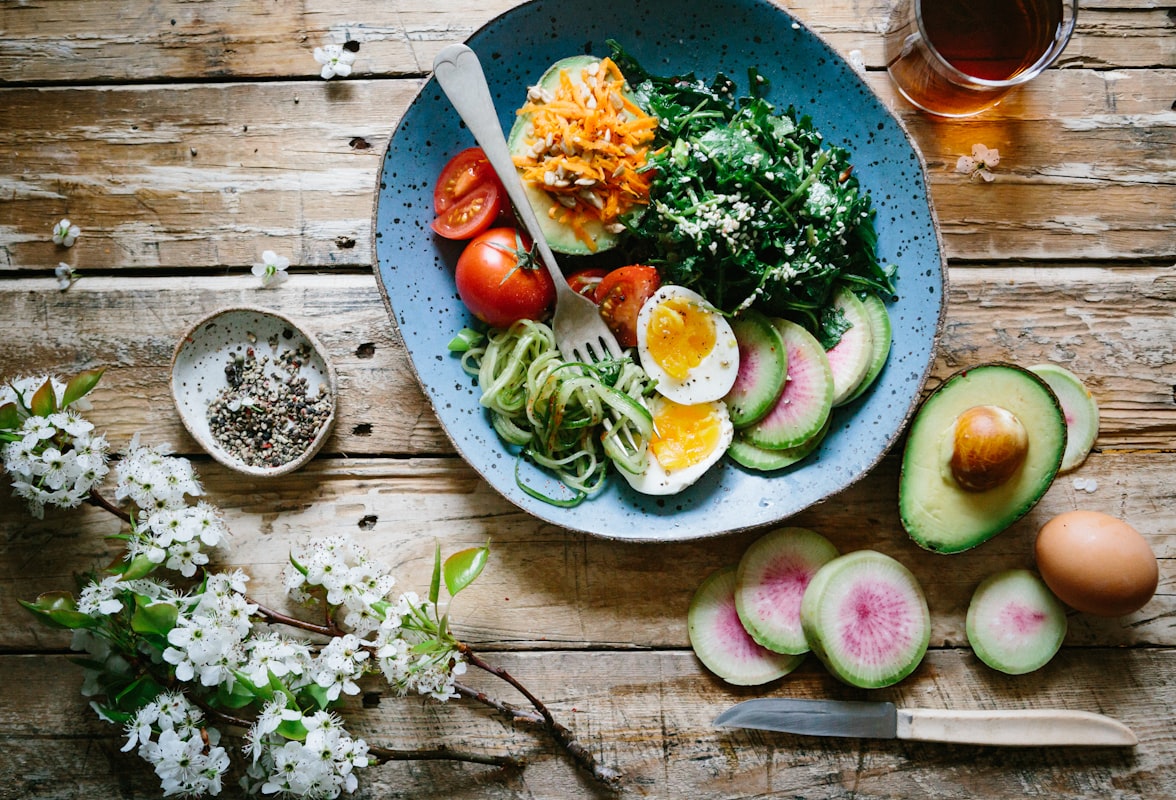
Summer Fruits: Vitamin-Rich Energy
Berries and Stone Fruits
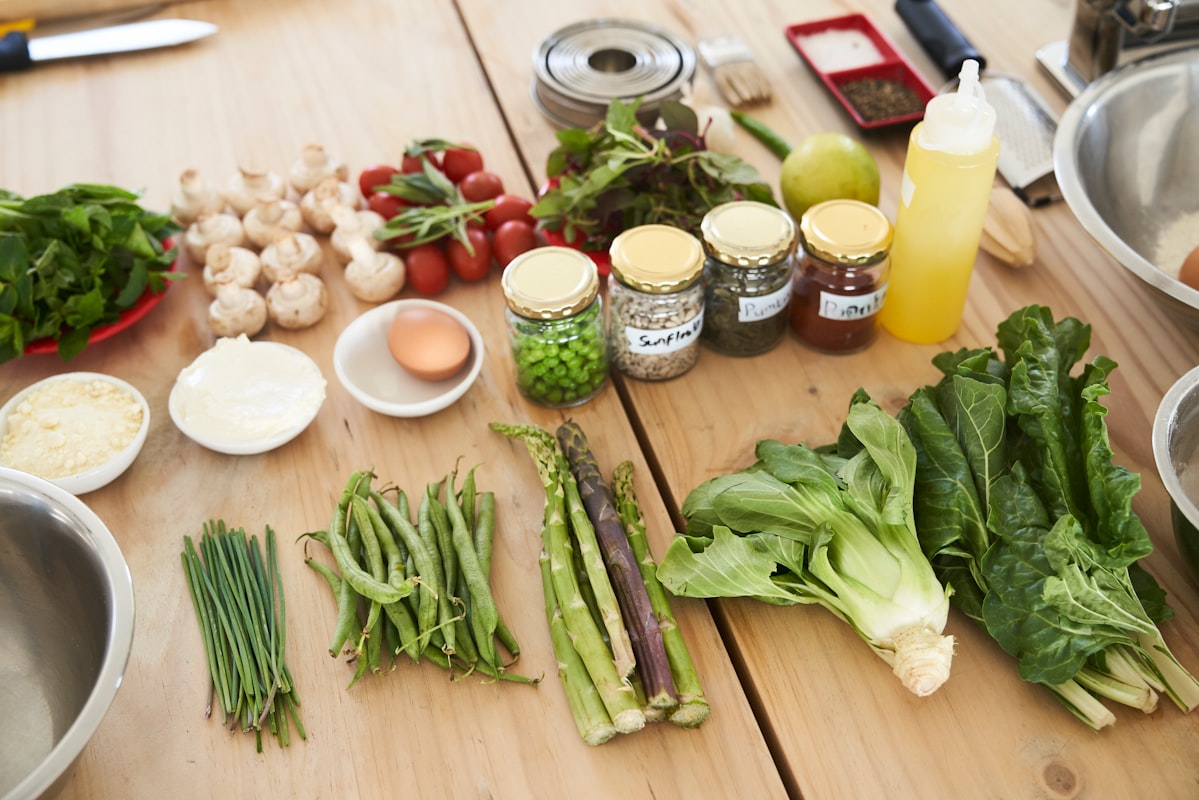
Summer berries—strawberries, raspberries, blueberries—burst with anthocyanins, powerful antioxidants that reduce oxidative stress. A single serving of blueberries provides more antioxidant capacity than many supplements ever could, naturally and in food form. Stone fruits like plums, apricots, and cherries deliver vitamin C, potassium, and unique polyphenols that support cardiovascular health.
These fruits are 80-90% water, making them naturally hydrating during warm months when your body needs extra fluid intake. Their natural sugars provide quick energy for summer activity without the blood-sugar crashes of processed alternatives.
Tomatoes and Peppers
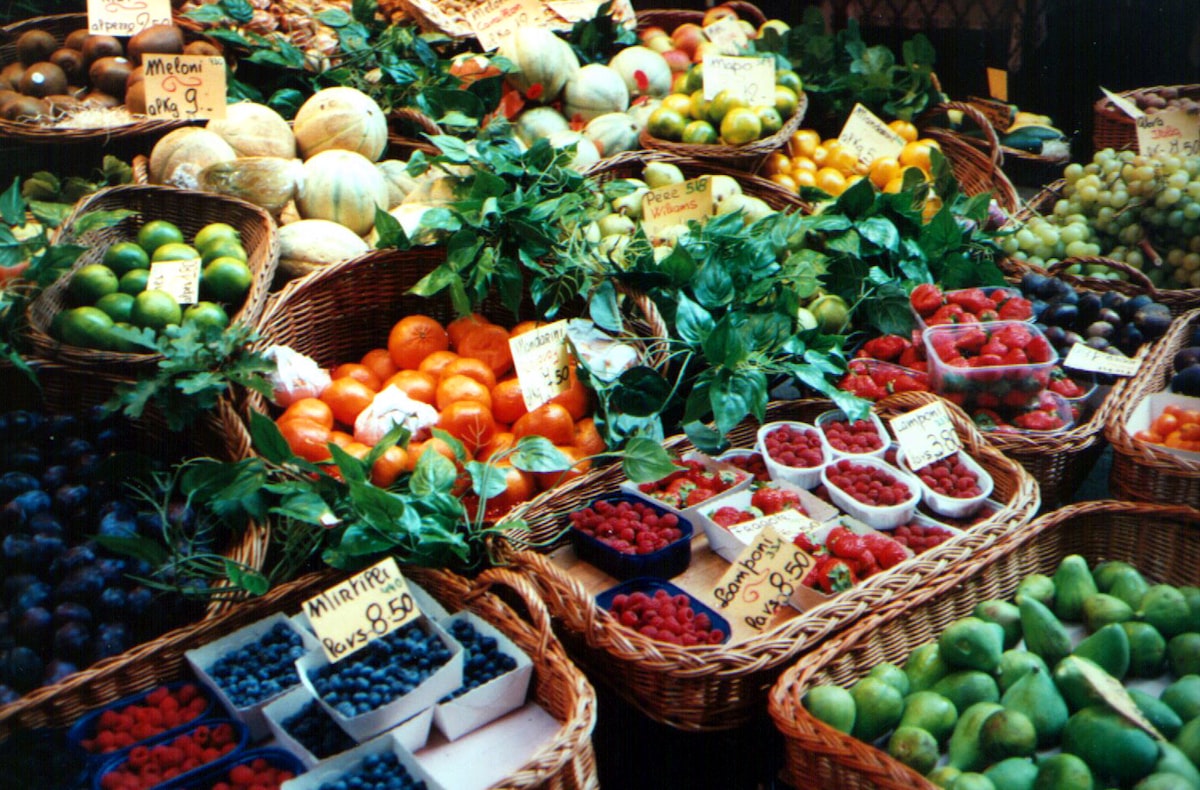
Tomatoes are a cornerstone of summer nutrition, providing lycopene—a carotenoid that accumulates in the skin and gives tomatoes their red colour. Lycopene is heat-stable, meaning cooked tomatoes in summer pasta or sauces actually deliver higher bioavailable lycopene than raw. Red peppers contain three times more vitamin C than citrus fruits, supporting immune function and collagen formation.
Bell peppers in all colours—red, yellow, orange—deliver different phytonutrient profiles. Yellow peppers are particularly high in lutein for eye health, whilst red peppers excel in carotenoid content. Summer's abundance of these foods makes it easy to meet daily antioxidant needs.
Cooling Vegetables
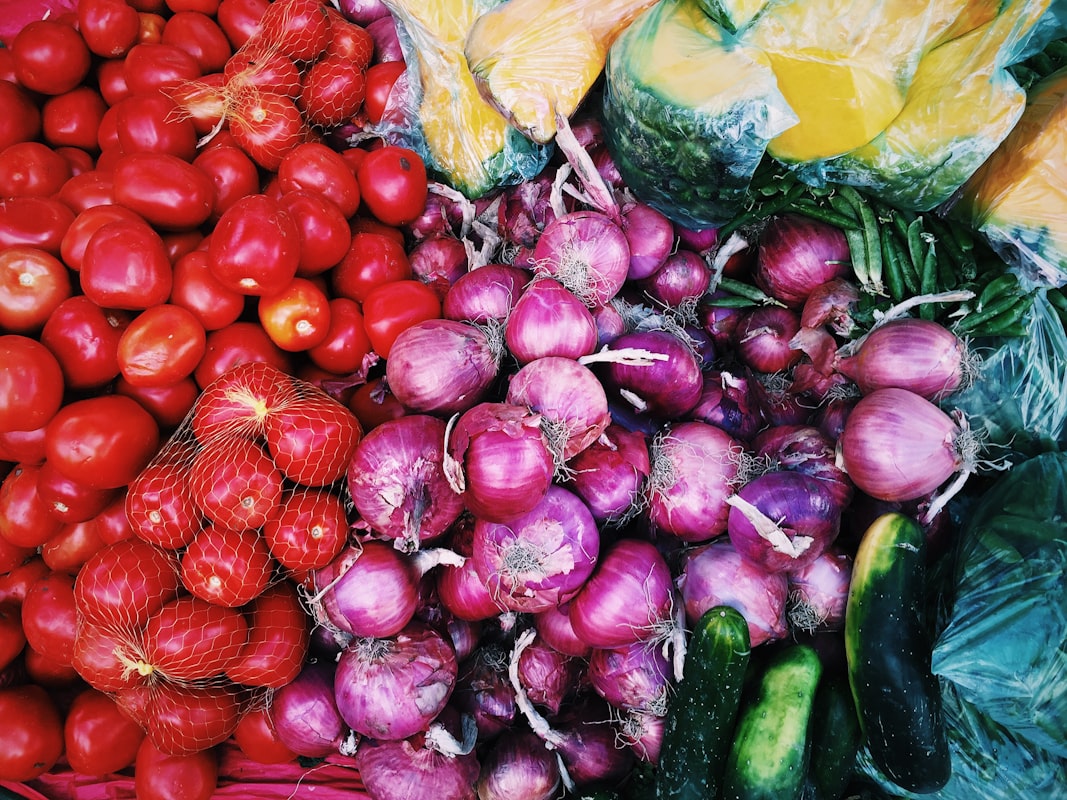
Cucumbers, courgettes, and summer squash are 95% water and incredibly cooling—traditional medicine has long used these vegetables to balance heat in the body. They're light on digestion but provide silica for connective tissue health and potassium for muscle function. Courgettes can be eaten raw, grilled, or spiralised, making them incredibly versatile for summer meal preparation.
Summer lettuces, rocket, and chicory offer fresh greens without the density of spring varieties. Their lighter weight and subtle bitterness perfectly complement seasonal eating patterns, supporting liver function as your body adjusts to warm weather and increased activity.
Autumn Harvest: Building Resilience
Autumn's arrival brings warming foods that naturally transition your body from summer's lightness to winter's grounding. Squashes and pumpkins are rich in beta-carotene, which your body converts to vitamin A—a nutrient critical for immunity as cold season approaches. The orange pigment in these vegetables isn't just beautiful; it's a visual marker of potent micronutrition.
Autumn apples and pears provide pectin, a soluble fibre that feeds beneficial gut bacteria and promotes satiety. Eating an apple in October when it's at peak sweetness and nutritional concentration is entirely different from eating a stored apple in July—the seasonal timing matters profoundly for both nutrient density and digestive benefit.
Nuts and seeds ripening in autumn—walnuts, hazelnuts, seeds—provide omega-3 fatty acids and minerals that support brain function and nervous system health. This natural timing means you're consuming foods that scientifically support the cognitive demands of autumn and winter.
Explore Autumn Foods
Winter Roots: Nourishment and Strength
Root Vegetables
Carrots, parsnips, swede, and celeriac are staple winter foods that store energy as complex carbohydrates and minerals. These root vegetables contain inulin—a prebiotic fibre that nourishes beneficial gut bacteria during winter months when fresh produce is scarce. Their earthy sweetness comes from natural sugars that concentrate during cold storage, making them deeply satisfying and nutrient-dense.
Brassica Family
Brussels sprouts, broccoli, cauliflower, and kale reach peak flavour and nutrition in winter's cold. Cold exposure actually increases their glucosinolate content—compounds that activate cellular cleaning mechanisms. Winter kale becomes sweeter after frost, when starches convert to sugars. Eating these vegetables in season means consuming them at their most nutrient-dense and most delicious.
Citrus and Winter Fruits
Oranges, lemons, grapefruits, and clementines deliver concentrated vitamin C precisely when your immune system faces winter challenges. Unlike summer citrus harvested unripe and shipped globally, winter citrus is tree-ripened and locally available. Their bioflavonoids work synergistically with vitamin C to support capillary integrity and reduce inflammation during cold months.
How to Shop and Eat Seasonally: A 5-Step Guide
Know Your Seasonal Calendar
In the UK, spring (March-May) brings asparagus, new potatoes, and leafy greens. Summer (June-August) offers berries, stone fruits, tomatoes, and peppers. Autumn (September-November) delivers squashes, apples, and root vegetables. Winter (December-February) provides citrus, kale, and stored roots. Understanding this calendar helps you anticipate what's at peak nutrition and plan meals naturally around availability.
Shop at Farmers Markets and Local Suppliers
Local farmers markets, community-supported agriculture schemes, and farm shops display only what's currently in season. Produce is typically harvested within 24 hours, meaning peak nutrient density and flavour. Vendors can tell you exactly when items were picked and how to prepare them optimally. This direct relationship replaces the guesswork of supermarket shopping with reliable, fresh, seasonal guidance.
Build Flexible Weekly Menus
Rather than planning rigid weekly menus before shopping, visit the market first and build your week's meals around what's abundant and fresh. This flexibility allows you to purchase at peak ripeness and maximum nutritional value. A simple approach: choose one seasonal vegetable, one seasonal fruit, and one seasonal protein source, then build meals around these anchors using pantry staples like grains, herbs, and oils.
Preserve and Store for Later Seasons
Seasonal eating doesn't mean eating nothing in winter if you live in a cold climate. Preserve summer abundance through freezing berries, bottling tomato sauce, and pickling vegetables. Make apple and pumpkin purées in autumn for winter use. These preservation methods maintain nutrient content far better than fresh-picked out-of-season imports. Root vegetables naturally store for months in cool conditions, extending autumn's harvest deep into winter.
Learn Simple Seasonal Cooking Techniques
Each season calls for different cooking approaches. Spring's delicate vegetables benefit from light steaming and quick sautéing. Summer's produce shines raw or grilled. Autumn's denser vegetables thrive in roasting and slow-cooking. Winter's roots deepen in braised dishes and soups. Learning these natural techniques means you're working with seasonal food's inherent properties, not against them. This approach creates meals that taste exceptional with minimal fuss because you're honouring each food's seasonal character.
Nutritional Comparison: Seasonal vs Year-Round Storage
Seasonally Fresh (Peak Harvest)
- Vitamin C content: Maximum levels, minimised degradation from transport
- Antioxidant activity: Peak polyphenol and anthocyanin concentrations
- Mineral density: Full spectrum naturally present in ripened produce
- Enzymatic activity: Living enzymes support digestion and nutrient absorption
- Flavour intensity: Complex taste correlates with nutritional completeness
Long-Distance/Stored (Off-Season)
- Vitamin C loss: 30-50% degradation during transport and storage
- Antioxidant decline: Progressive reduction in polyphenols and carotenoids
- Phytonutrient loss: Sensitive compounds degrade after harvest
- Enzyme deactivation: Cold storage and processing inactivates digestive enzymes
- Subtle flavour: Unripe harvesting and ripening gas treatments affect taste and nutrition
Frequently Asked Questions About Seasonal Eating
Yes, seasonal eating complements specific nutritional approaches well. People needing iron can focus on winter greens and roots, those seeking magnesium can emphasise autumn seeds and pumpkins, and those wanting vitamin C can rely on winter citrus and year-round seasonal berries. The variety inherent in seasonal eating naturally provides diverse nutritional profiles throughout the year.
Ready to Transform Your Nutrition?
Start your seasonal eating journey today and discover how eating with nature's rhythm can improve your health, energy, and wellbeing.
What Our Community Says
Real experiences from people who've embraced seasonal eating
"Switching to seasonal eating has transformed my energy levels. I feel more connected to the natural rhythms and my grocery bills have gone down significantly."
Sarah Mitchell
Wellness Coach
"The nutritional guidance from Healthfoodwisdom helped me understand why eating seasonally matters. My digestion has improved dramatically."
James Chen
Nutrition Enthusiast
"Finally, a resource that makes seasonal eating practical and accessible. The recipes and tips are game-changers for my family's health."
Emma Rodriguez
Home Chef
Healthfoodwisdom
Nourishing your body with nature's seasonal wisdom.
Categories
© 2024 Healthfoodwisdom – VAT: GB441 9579 71. All rights reserved. | Privacy Policy | Terms of Service