
Seasonal Foods & Nutrition Wisdom
Discover how eating seasonally transforms your approach to nutrition. Learn the science behind seasonal produce and unlock the nutritional benefits nature provides throughout the year.
The information on this site is for educational purposes only and does not constitute medical advice. Always consult a qualified healthcare professional before making health decisions.
Seasonal Produce Spotlight
Understanding what grows in each season helps you make informed choices about your diet. Every season offers unique nutritional advantages through naturally available produce.
Autumn Harvest
Autumn brings squashes, pumpkins, apples, and root vegetables. These produce items are rich in beta-carotene and fibre, supporting immune health as temperatures drop. Autumn harvests often store well, providing nutrition throughout early winter months.
Learn about autumn foods →Spring Renewal
Spring brings leafy greens, asparagus, peas, and fresh herbs bursting with vitality. These vegetables are excellent sources of vitamins and minerals that energize your body after winter. Spring produce often has a delicate flavour profile and exceptional nutritional density.
Explore spring options →Winter Comfort
Winter offers cruciferous vegetables, citrus fruits, and hardy greens packed with immune-supporting compounds. Brussels sprouts, kale, and citrus provide concentrated nutrition during the season when your body needs extra support. Winter produce features bold, satisfying flavours.
Discover winter vegetables →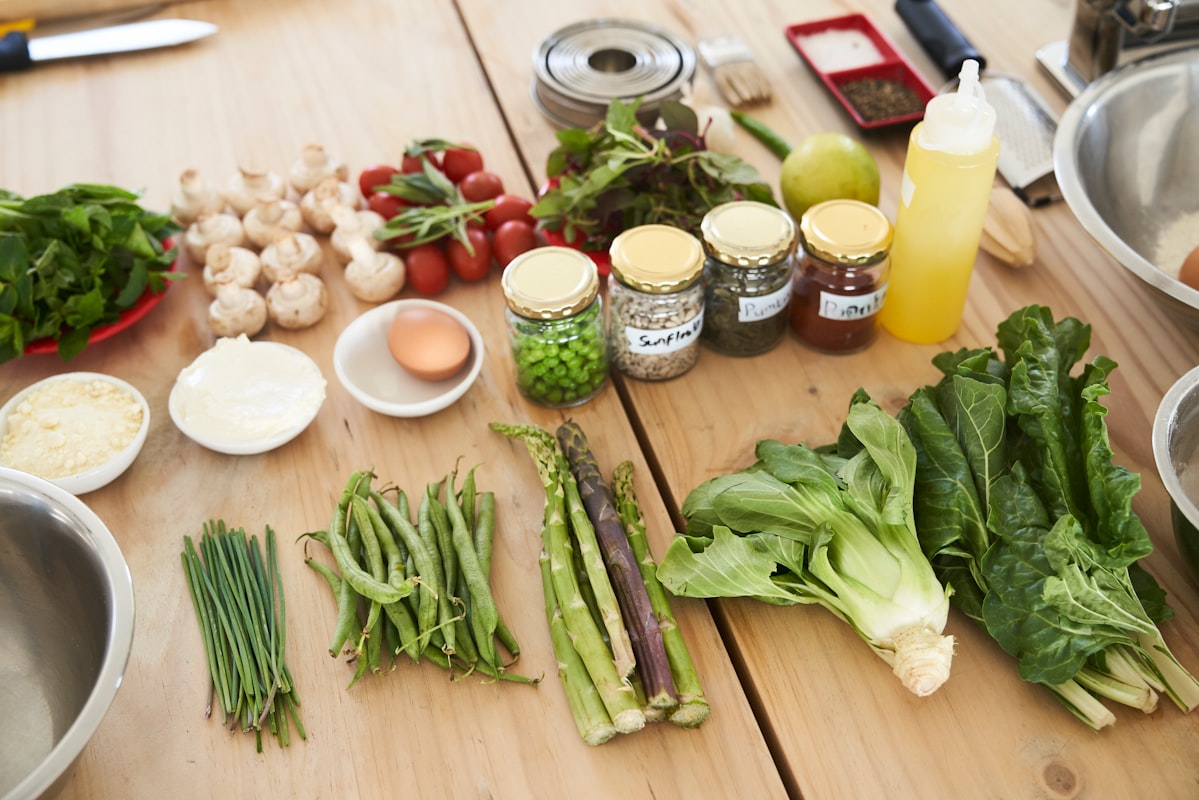
Nutrition Benefits of Winter Greens
Winter greens represent some of the most nutrient-dense vegetables available year-round in the UK. Kale, spinach, and collard greens contain high levels of vitamins K, C, and A, alongside important minerals like iron and calcium. These vegetables thrive in cooler weather and develop deeper flavour profiles.
Vitamin K content: Supports bone health and blood clotting mechanisms through natural compounds.
Antioxidants: Winter greens contain compounds that support cellular health through natural defence mechanisms.
Fibre content: Helps maintain digestive wellness and supports stable energy throughout the day.
Mineral variety: Iron, calcium, and magnesium work together to support overall nutritional status.
Fresh Fruits and Vegetables by Season
A visual guide to what's available throughout the year in the UK, helping you plan your shopping and meal preparation around what nature provides.
Summer Berries
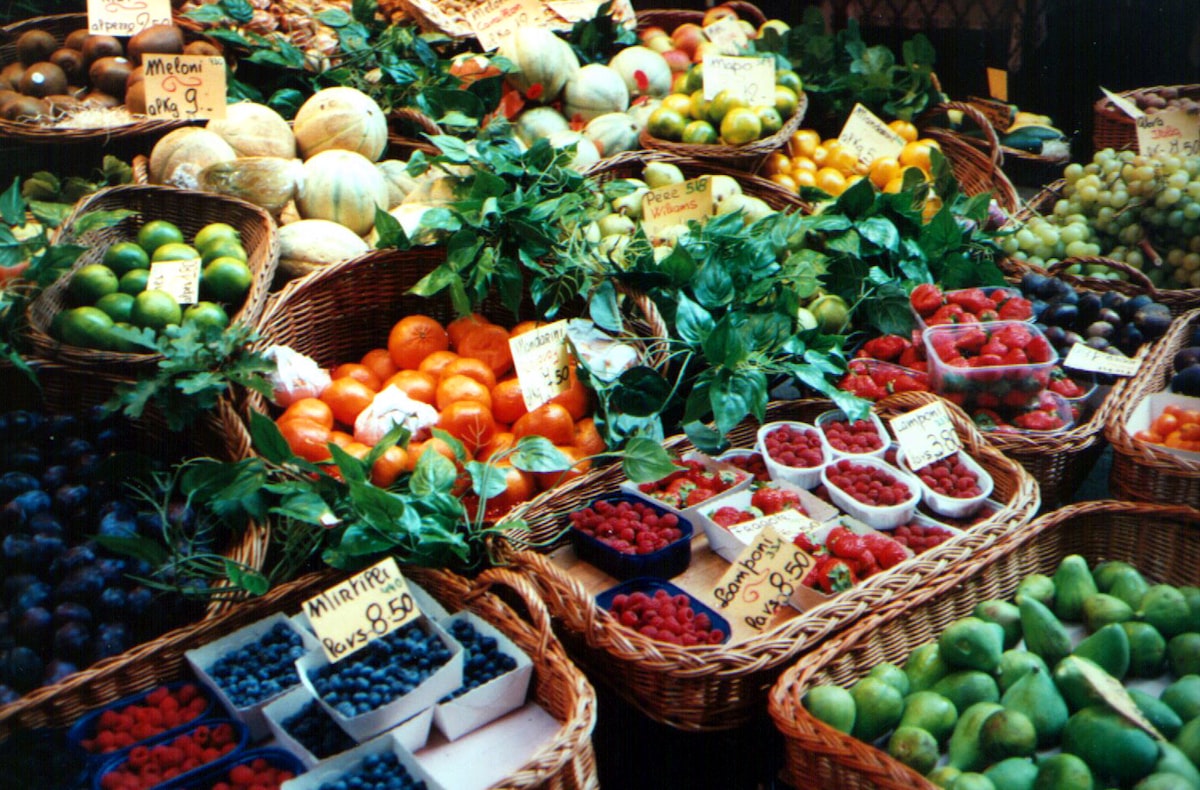
Strawberries, blueberries, and raspberries peak during summer months, offering vibrant antioxidants and natural sweetness without added sugars.
June–August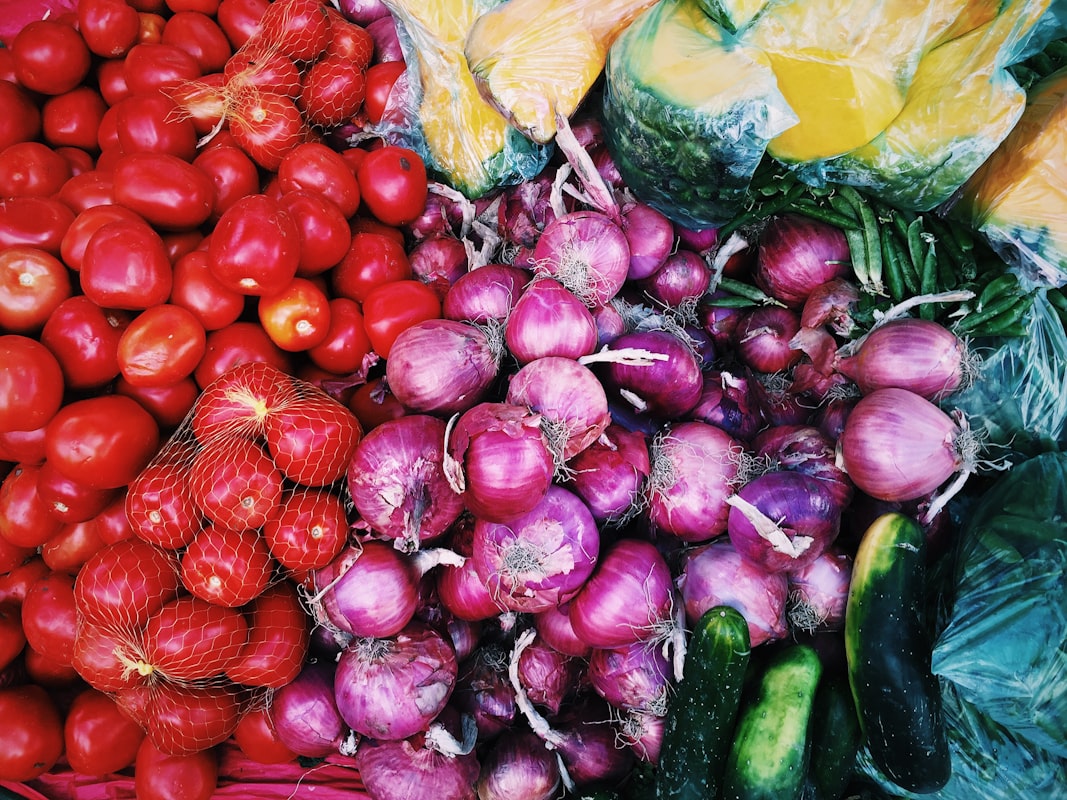
Summer Vegetables
Tomatoes, courgettes, and peppers flourish in summer warmth, delivering lycopene and capsaicin alongside fresh, bright flavours that shine in salads and light dishes.
June–September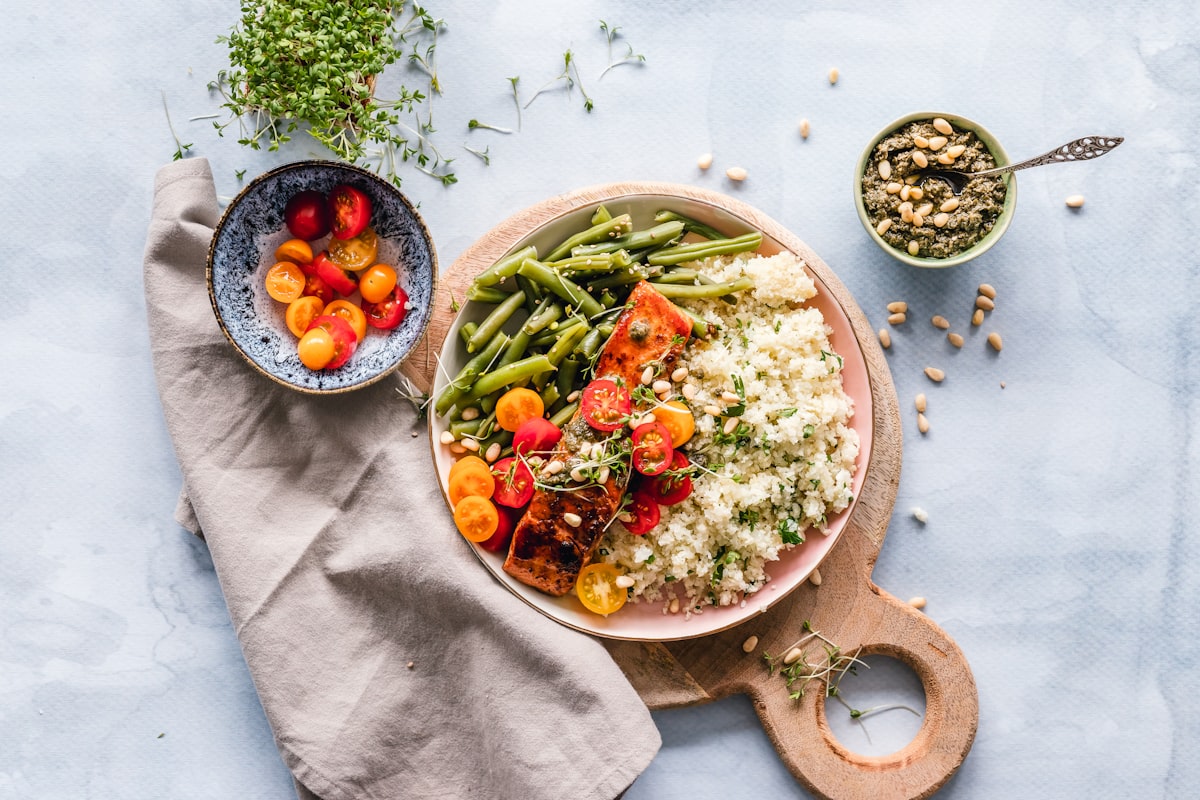
Autumn Fruits
Apples and pears arrive in autumn with natural pectin for digestive support and a comforting sweetness that pairs well with warming recipes.
August–October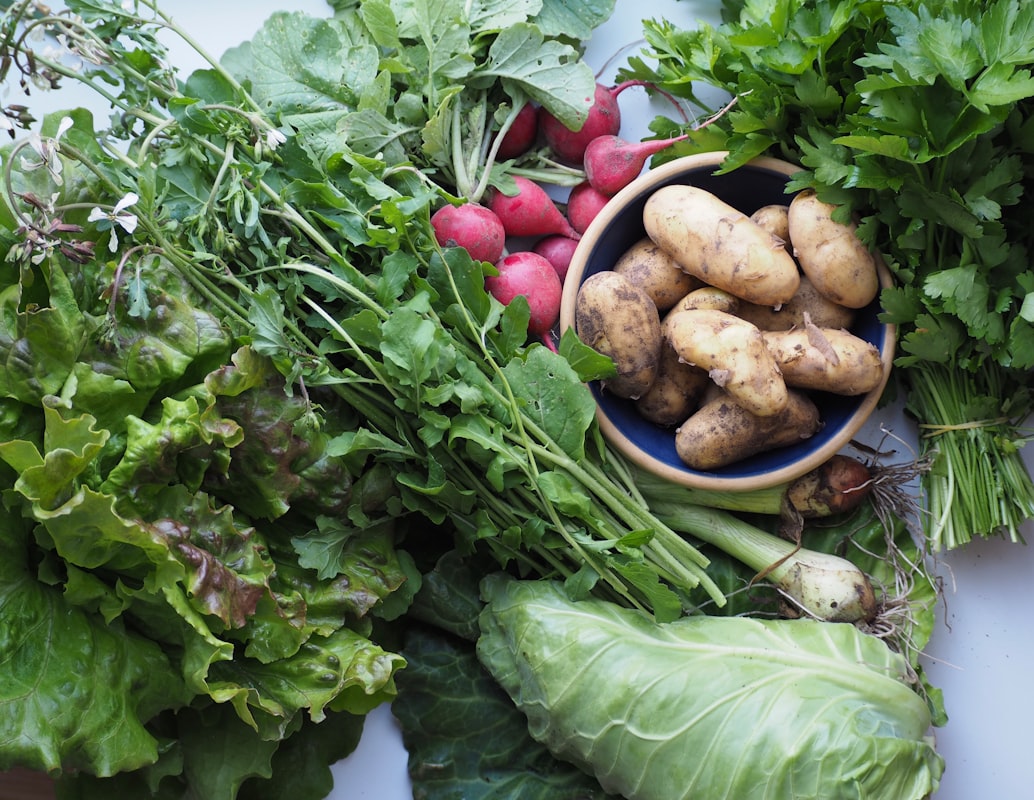
Root Vegetables
Carrots, parsnips, and turnips store well through autumn and winter, providing sustained energy through complex carbohydrates and valuable micronutrients.
September–March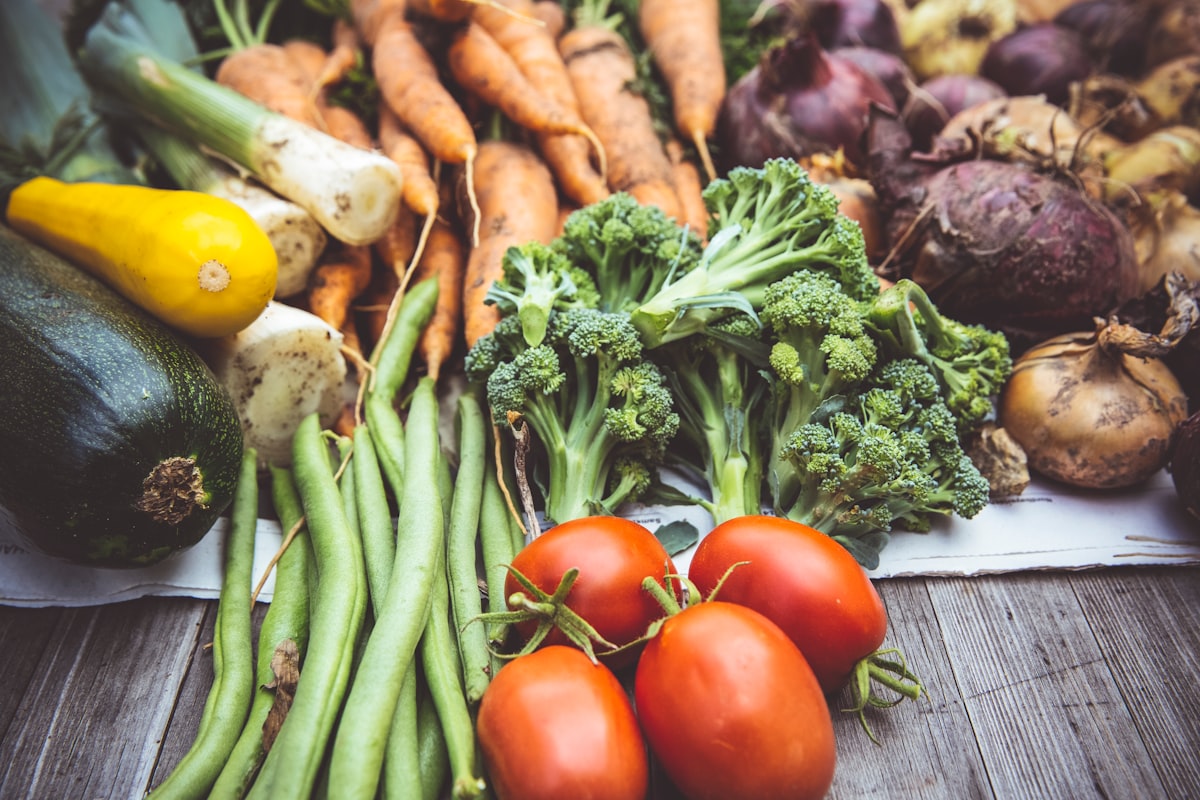
Winter Citrus
Oranges, lemons, and grapefruits peak in winter when vitamin C becomes especially valuable, offering bright acidity and concentrated nutritional density.
October–March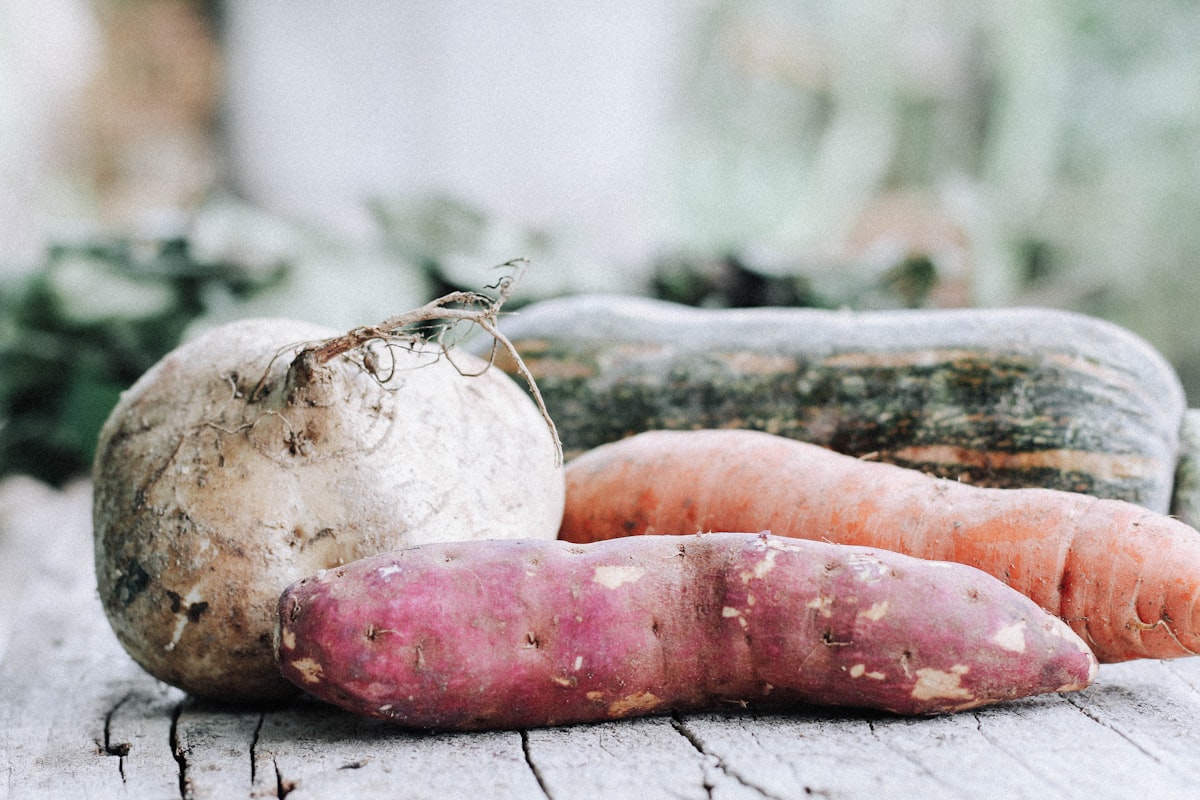
Spring Greens
Watercress, sorrel, and spring onions emerge fresh in spring, offering peppery flavours and light nutritional support as your body transitions to warmer months.
March–MayWhy Choose Seasonal Eating?
Eating seasonally aligns with nature's rhythms and offers practical advantages for your health and lifestyle.
Environmental Alignment
When you eat what grows naturally in each season, you work with local agricultural cycles rather than against them. This reduces the need for energy-intensive storage and transport methods.
Better Value
Seasonal produce is typically more abundant and requires less logistical effort, often resulting in lower prices at markets. You get more nutrition for your investment during peak harvest times.
Enhanced Flavour
Produce picked at peak ripeness and enjoyed during its natural season has superior flavour intensity. Your meals become more satisfying and enjoyable without added seasonings or enhancements.
Nutritional Timing
Nature provides the nutrients you need when you need them most. Spring greens support renewal, summer fruits offer hydration and antioxidants, and autumn roots provide storage carbohydrates.
Variety & Discovery
Seasonal eating naturally creates variety throughout the year as different vegetables and fruits come into their window. This encourages you to explore new recipes and cooking methods.
Natural Rhythm
Eating with the seasons helps your body work in harmony with natural light cycles and temperature changes. This alignment supports your body's own cyclical patterns throughout the year.
How to Shop Seasonally
Simple steps to transition your shopping habits towards seasonal produce and year-round variety.
Check What's in Season Now
Before visiting the market or shop, review what vegetables and fruits are naturally available in your region during the current month. Most UK agricultural extension services and local farmers' markets publish seasonal guides. This takes just a few minutes of research and helps you shop with intention rather than impulse.
Visit Local Farmers' Markets
Farmers' markets directly connect you with local growers and seasonal produce. Vendors only sell what's naturally ready to harvest, making it impossible to buy out-of-season items. You'll develop relationships with farmers and gain direct knowledge about how food is grown in your region.
Learn to Preserve Seasonal Abundance
When produce peaks in season, it's often inexpensive and plentiful. Learning simple preservation methods—freezing, pickling, making sauces—allows you to enjoy seasonal produce year-round. A frozen bag of summer berries or preserved spring herbs brings seasonal nutrition into your winter kitchen.
Adapt Your Recipes to Available Ingredients
Rather than forcing specific recipes that require out-of-season ingredients, think seasonally about how to cook. Summer calls for fresh, light preparations with minimal heating. Autumn and winter favour warming, slow-cooked dishes. This flexibility makes cooking easier and more enjoyable throughout the year.
What Our Readers Say
Real feedback from people who've applied seasonal eating principles to their lives.
"I've completely changed how I approach grocery shopping thanks to understanding seasonal produce. My meals feel fresher, taste better, and I'm spending less money. The articles here showed me that eating with nature isn't just trendy—it actually makes practical sense. Highly recommend this resource."
Sarah Mitchell
Manchester, UK
"As someone new to thinking about nutrition, these guides made seasonal eating accessible and interesting. The explanations about why certain vegetables are valuable in winter helped me understand the 'why' behind seasonal eating. I've started visiting farmers' markets and actually enjoying the process."
James Chen
Edinburgh, UK
"The seasonal shopping guide has been transformative for our family. We've reduced food waste significantly by eating what's actually in season, and our children are learning about where food comes from. The content is well-researched and genuinely helpful without being preachy about lifestyle choices."
Emma Rodriguez
Bristol, UK
"I appreciate that this site focuses purely on information and education rather than trying to sell me anything. The nutrition benefits articles are detailed without being overwhelming. My energy levels improved noticeably after shifting toward more seasonal choices. Great resource."
David Thompson
Leeds, UK
Frequently Asked Questions
Common questions about seasonal eating and making the transition to seasonal food choices.
Several resources make this easy. Most UK supermarkets now label seasonal items, and farmers' markets are naturally stocked with only what's growing. The Royal Horticultural Society publishes seasonal vegetable guides, and many local agricultural offices maintain online calendars. Our Seasonal Foods page also provides a comprehensive month-by-month breakdown of what's typically available throughout the UK.
You don't have to eliminate imported produce, but seasonal eating focuses on what grows naturally in your region. The idea is that local, seasonal produce is typically more affordable, fresher, and better aligned with your body's needs at that time of year. Most people find that eating seasonally doesn't mean perfect adherence to zero imported items—it's about shifting your choices toward primarily seasonal when possible.
Absolutely. Winter offers surprising variety—root vegetables, cruciferous greens, citrus fruits, stored winter squashes, and preserved items from autumn harvests. Many people discover they eat more vegetable varieties during winter when eating seasonally than they did when trying to maintain summer produce year-round. The key is learning preservation methods and creative cooking with storage crops.
Most people find that seasonal eating reduces overall food costs. When produce is naturally abundant, it's more affordable. Instead of paying premium prices for out-of-season strawberries in winter, you'd buy locally-available citrus at better prices. Shopping at farmers' markets often provides excellent value, especially when you buy larger quantities to preserve for later use.
You don't need to change everything overnight. Start by choosing one meal per week to make entirely from seasonal ingredients, or commit to buying one seasonal item each shopping trip. As you become more comfortable with seasonal produce, you'll naturally gravitate toward it. Many people find the transition becomes self-reinforcing as they discover how much better seasonal food tastes and how much money they save.
Our Nutrition Benefits section provides detailed information about the vitamin, mineral, and compound content of seasonal produce. You can use this information to understand how specific seasonal items support your health interests. For personalised dietary advice tailored to individual needs or medical considerations, consulting with a qualified healthcare provider is always recommended.
Stay Informed About Seasonal Nutrition
Discover fresh insights about seasonal foods, nutrition benefits, and practical guidance for eating with nature's rhythms. Browse our latest articles and resources to deepen your understanding of seasonal eating.